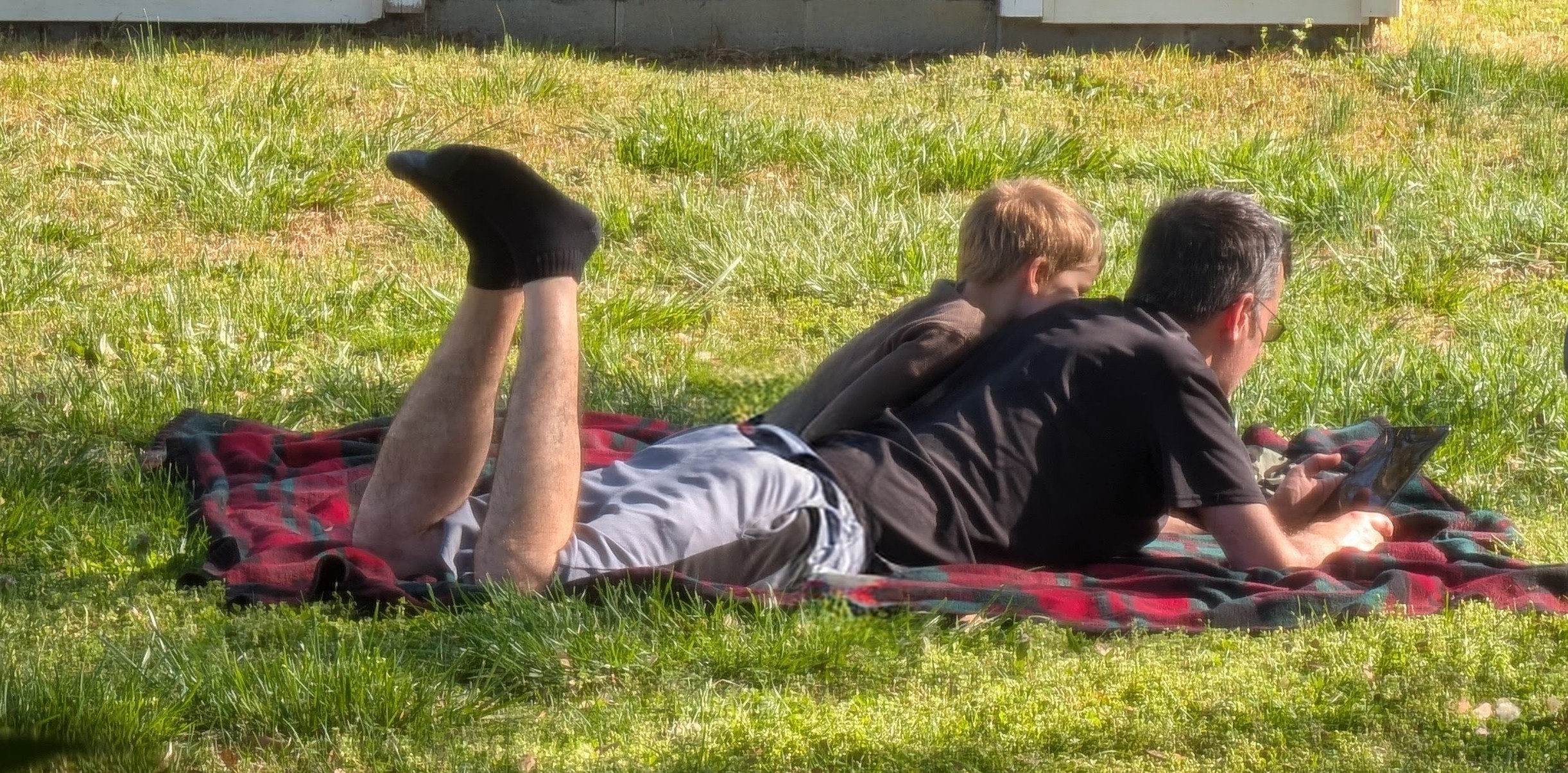
How to Start Homeschooling in South Carolina: An easy Step-by-Step Guide for 2026
You’re thinking about how to start homeschooling in South Carolina — and maybe you’re not sure where to start. You’ve probably Googled it, found three different answers, and come away more confused than when you began. Completely normal.
Here’s the good news: South Carolina is a genuinely homeschool-friendly state with a clear legal framework. There are three official options for homeschooling legally, and once you understand what they actually are — not the watered-down versions floating around Facebook — the path forward becomes much clearer.
This guide covers everything you need: the three legal options with honest notes on each, required subjects, what records you actually need to keep, how to choose a curriculum, and where to find your community in the Upstate.
📌 Quick Note
This guide is for families in South Carolina, with extra resources for those in the Upstate (Greenville, Spartanburg, Anderson, Oconee, and Pickens counties).
Sources: South Carolina Department of Education (ed.sc.gov) and HSLDA’s SC homeschool compliance guide (hslda.org). Legal information is current as of 2026 but always verify with current SC law for your situation.
This is not legal advice. When in doubt, contact SCAIHS, your chosen association, or HSLDA directly.
Is Homeschooling Legal in South Carolina?
Yes — fully and unambiguously. Homeschooling is legal in South Carolina under SC Code of Laws §59-65. The state gives families three distinct legal options, and within each option, parents have significant freedom in how and what they teach.
There is no teacher certification requirement for parents. There is no one coming to inspect your home or your lessons. What you do need is to choose one of the three legal options below and follow its requirements consistently.
Your Three Legal Options for Homeschooling in
South Carolina
South Carolina law defines three pathways for legal homeschooling. Here is an accurate, plain-English breakdown of each one — in the order the SC Department of Education numbers them.
⚠️ Read This Before Choosing Option 1
According to HSLDA (the nation’s leading homeschool legal organization), Option 1 is ‘by far the most burdensome and restrictive’ of the three options.
HSLDA explicitly recommends that South Carolina families choose SCAIHS (Option 2) or a 50-member association (Option 3) instead.
Option 1 is listed first because the SC DOE numbers it first — not because it is the preferred choice.
Option 1: Homeschool Under the School District Statute
This option allows you to homeschool under the authority of your local public school district’s board of trustees. It carries the most administrative requirements of the three options and is the only one that involves direct oversight by your public school district.
Step-by-step requirements under Option 1:
- Submit an APPLICATION to your local school district’s board of trustees (not just a letter — an application they must approve). The board is required to approve if all conditions are met, but the application process varies by district.
- Hold at least a high school diploma or GED
- Teach your child for at least 180 days per school year, with each school day being at least 4.5 hours (lunch and recesses do not count).
- Teach the required subjects: Reading, Writing, Mathematics, Science, Social Studies — and in grades 7-12, also Composition and Literature.
- Maintain records for inspection by the school district upon reasonable notice: a plan book, diary, or written record of subjects/activities; a portfolio of your child’s work samples; and records of academic progress assessments.
- Submit a SEMIANNUAL progress report to your school district, including attendance records and assessments of your child’s progress in each required subject.
- Ensure your child has access to library facilities.
- Have your child participate in the annual statewide testing program AND the Basic Skills Assessment Program — tests must be administered by a certified school district employee.
🔎 Important: Testing Under Option 1
Under Option 1, the annual statewide test must be administered by a certified school district employee — you cannot administer it yourself or use a third-party service.
If your child does not perform at the public school standard for grade advancement, the school district has authority to determine next steps — including public school enrollment, special services, or at-your-expense instructional support.
This is one of the primary reasons HSLDA steers families toward Options 2 or 3.
💡 Appeals
If your Option 1 application is rejected by the board of trustees, you may appeal to the State Board of Education within 10 days. If the state board’s decision is unsatisfactory, you may appeal to family court within 30 days.
Option 2: Homeschool Through SCAIHS
SCAIHS — the South Carolina Association of Independent Home Schools — is a state-recognized homeschool organization that parents can join to homeschool legally under its umbrella. This is one of the two most commonly recommended pathways.
Requirements under Option 2 (SCAIHS):
- Enroll your family with SCAIHS and follow its rules and policies.
- Hold at least a high school diploma or GED.
- Teach your child for at least 180 days per school year.
- Teach the required subjects: Reading, Writing, Mathematics, Science, Social Studies — and in grades 7-12, also Composition and Literature.
- Maintain the required educational records (see the Records section below).
SCAIHS handles the compliance structure — you don’t report to the school district. For more information and to enroll, visit schomeschooling.com.
✅ Why Families Choose Option 2
SCAIHS provides a clear, established compliance framework so you always know exactly what is expected. It has been operating for decades and is well-known and respected throughout South Carolina.
HSLDA recommends SCAIHS as one of the two preferred options for SC families.
Option 3: Homeschool Through a 50+ Member Association
South Carolina law also allows families to homeschool under any qualifying homeschool association that has at least 50 member families and meets the state’s minimum requirements. The SC Department of Education maintains an official list of approved Option 3 associations.
Requirements under Option 3:
- Join an SC DOE-approved association with at least 50 member families.
- Hold at least a high school diploma or GED.
- Teach your child for at least 180 days per school year.
- Teach the required subjects: Reading, Writing, Mathematics, Science, Social Studies — and in grades 7-12, also Composition and Literature.
- Maintain the required educational records (see the Records section below).
To find currently approved Option 3 associations, visit the SC Department of Education website at ed.sc.gov/districts-schools/state-accountability/home-schooling/ and click the ‘2025-26 Home School Option 3 List’ link under Additional Resources.
✅ Why Families Choose Option 3
Option 3 associations vary widely in culture, focus, cost, and community — giving you more options to find one that aligns with your family’s values and learning philosophy.
Like Option 2, you report to your association — not to the school district.
Many Option 3 associations have a community component (events, field trips, co-ops) built in.
HSLDA recommends a 50+ member association as one of the two preferred options for SC families.
📝 IMPORTANT: A Note on ‘Umbrella Schools’ and ‘Cover Schools’
You may hear the terms ‘umbrella school’ or ‘cover school’ used in SC homeschool circles. These terms are not part of SC homeschool law. Some families use private Christian schools or umbrella programs for various reasons, but enrollment in an umbrella school is NOT one of the three legal homeschool options in South Carolina.
To homeschool legally in SC, you must choose Option 1, Option 2, or Option 3 as defined above.
Option Comparison: At a Glance
Here’s a side-by-side comparison of all three options to help you choose:
|
© The Homeschool Habitat |
Option 1 |
Option 2 |
Option 3 |
|
Approval needed? |
Yes — board of trustees application |
No — enroll with SCAIHS |
No — join qualifying association |
|
Parent credential |
HS diploma or GED |
HS diploma or GED |
HS diploma or GED |
|
School days |
180 days / 4.5 hrs per day |
180 days |
180 days |
|
Required subjects (K-6) |
Reading, writing, math, science, social studies |
Reading, writing, math, science, social studies |
Reading, writing, math, science, social studies |
|
Additional subjects (7-12) |
Composition & literature |
Composition & literature |
Composition & literature |
|
Testing required? |
Yes — annual statewide test |
Per SCAIHS policy |
Per association policy(generally, none) |
|
Progress report |
Semiannual — submit to district |
Semiannual — per SCAIHS |
Semiannual — per association |
|
Oversight body |
Local school district |
SCAIHS |
Your chosen association |
|
Difficulty level |
MOST burdensome (not recommended by HSLDA) |
Moderate — clear structure |
Easy/Moderate — varies by association |
|
Best for |
Families who want direct accountability, local school resources/testing, and familiar structure |
Families wanting faith-based support and accountability structure |
Families wanting freedom, community and accountability outside SCAIHS |
🤔 Which Option Is Right for You?
Option 1 is the most burdensome. If you want zero membership fees and don’t mind district oversight and testing requirements, it’s legal. But HSLDA — who knows SC law inside and out — recommends against it for most families.
Option 2 (SCAIHS) is the most established path with the clearest structure. Great for families who want a faith-based, well-known, long-running organization behind them.
Option 3 (50+ member association) gives you the most variety in culture and community. Shop around the SC DOE’s Option 3 list for an association that feels like a fit.
Not sure? Download our free New Homeschooler’s Starter Kit — it includes a decision worksheet for all three options.
Required Subjects for Homeschooling in South Carolina
All three options share the same minimum required subjects, set by state law.
Here is what you must cover:
Grades K–6: Five Core Subjects
- Reading
- Writing
- Mathematics
- Science
- Social Studies
Grades 7–12: Five Core Subjects PLUS:
- Composition
- Literature
South Carolina law does not require any specific curriculum, textbooks, or scope and sequence. You have broad freedom in how you teach each subject — from structured textbooks to project-based learning to nature study — as long as these subjects are covered.
Additional electives (art, music, foreign language, physical education, life skills) are not legally required but can be included in your portfolio as evidence of a rich education.
💡 Grades 7-12 Families: Don’t Miss This
Many online summaries of SC homeschool law list only five required subjects — they miss that composition and literature are also required for grades 7 through 12.
Make sure your middle and high schoolers have a dedicated composition and literature component in their curriculum each year.
Record-Keeping: What You Actually Need
Under all three options, you are required to maintain educational records. The specific format isn’t mandated — but what you keep must demonstrate that you are providing regular, consistent instruction in the required subjects.
Required Records Under All Three Options:
- A plan book, diary, or other written record indicating subjects taught and activities in which you and your child participated.
- A portfolio of samples of your child’s academic work.
- A semiannual progress report — including attendance records and documentation of your child’s academic progress in the required subjects.
Who Gets Your Progress Report?
- Option 1: Submit to your local school district.
- Option 2: Submit to SCAIHS per their requirements.
- Option 3: Submit to your association per their requirements.
Under Option 1 Only — Additional Requirement:
- Records must be available for inspection by a school district representative upon reasonable notice. Options 2 and 3 do not have this requirement.
📁 Simple Record-Keeping System That Works
Keep a three-ring binder with monthly tab dividers. Each month, add:
• A brief written record of subjects covered (a running list or simple weekly planner works)
• 3-5 samples of your child’s work — a math worksheet, a written narration, a science project photo, a drawing
• Your attendance log (check off school days on a printed calendar)
At the 6-month mark, compile these into your semiannual progress report. That’s your portfolio.
There is no required format in SC for the plan book or portfolio — clarity and consistency matter more than perfection.
How to Choose a Curriculum
SC law does not require you to use any specific curriculum. You can purchase a complete boxed program, combine resources from multiple sources, use free online programs, or follow an unschooling philosophy — as long as you are covering the required subjects.
Some starting points by family style:
- Structured learners: Consider Time4Learning, Sonlight, or BJU Press for a full-grade package.
- Secular families: Time4Learning, Moving Beyond the Page, Oak Meadow, or Core Knowledge (free PDFs at coreknowledge.org).
- Faith-based families: The Good and the Beautiful, Simply Charlotte Mason, Abeka, or Classical Conversations.
- Free and budget-conscious: Khan Academy, CK-12, and Easy Peasy All-in-One are completely free and cover all required subjects.
- Charlotte Mason / nature-based: Ambleside Online (free) or Simply Charlotte Mason.
Visit our Curriculum Reviews page for breakdowns of secular and faith-based options at every budget.
Finding Your Community in the Upstate
Isolation is the number one reason homeschool families quit in their first year. But in the Upstate, you have more options than you might realize — over 60 verified groups across Greenville, Spartanburg, Anderson, Oconee, and Pickens counties.
Types of Groups to Look For:
- Academic Co-ops: Families pool teaching skills. Your child attends 1-2 days/week and gets instruction from multiple parent-teachers.
- Enrichment Co-ops: Focus on art, science, PE, or electives — a complement to your home curriculum.
- Hybrid/Microschools (Cottage Schools): Attend 2-3 days/week with a paid teacher; you teach at home the other days.
- Forest Schools: Nature-based, outdoor learning for younger children.
- Free Meetup Groups: Park days, field trips, and social hangouts. No fees, just connection.
Browse our full Community Directory for 60+ verified Upstate SC homeschool groups organized by type, county, and faith orientation.
🏕️ Free & Low Cost in Your Backyard — Upstate SC
SC State Parks — Annual family pass (~$99). Paris Mountain, Table Rock, Lake Hartwell. Ranger programs for kids.
• Roper Mountain Science Center — Homeschool Days and STEM programs throughout the year.
• Greenville County Library — Homeschool resource collections, STEM kits for checkout, free programming.
• Conestee Nature Preserve — Free. 10 miles of trails and wildlife observation in Greenville.
• Upcountry History Museum — Local history programming, sometimes free for homeschool groups.
• BMW Zentrum (Greer) — Free manufacturing education tours. Great for middle/high schoolers.
• Duke Energy World of Energy (Gaffney) — Free energy science museum.
• Greenville Zoo — Homeschool group rates available.
Frequently Asked Questions
What is the difference between SCAIHS and a 50+ member association?
SCAIHS (Option 2) is the single state-recognized, faith-based organization specifically created to serve SC homeschoolers. A 50+ member association (Option 3) is any qualifying group with at least 50 member families that meets the state’s minimum standards. SCAIHS is one specific organization; Option 3 associations can be any number of different groups. Both are equally legal and recommended over Option 1.
Do I need to be a certified teacher to homeschool in SC?
No. Under Options 1, 2 and 3, you only need a high school diploma or GED. Teacher certification is not required under any of the three options.
What age does compulsory homeschooling begin in South Carolina?
SC compulsory school age begins at age 5. If your child is under 5, there are no legal homeschool requirements — though many families begin informal learning well before then. Visit the HSLDA page on SC compulsory school age for the full details on age exemptions and exceptions.
Can my homeschooled child participate in public school extracurriculars or sports?
Yes. South Carolina’s Equal Access Interscholastic Activities law (sometimes called the Tim Tebow Law) allows eligible homeschooled students to participate in public school extracurricular activities, including sports. There are requirements and the school district determines eligibility. Additionally, there are dedicated homeschool sports leagues across the Upstate for families who prefer a homeschool-specific environment.
Do I have to follow the public school calendar?
No. You choose your school year, daily schedule, and breaks — as long as you meet the 180-day requirement under your chosen option. Many families school year-round and take breaks when it makes sense for their family’s life.
What if I decide to re-enroll my child in public school?
Simply enroll in your local public school as you would any transfer student. Your portfolio, records, and any test scores may be used to help determine appropriate grade placement. SC public schools are required to accept homeschooled students.
What is a semiannual progress report and how do I write one?
A semiannual progress report is a twice-yearly summary of your child’s academic progress. It must include attendance records and documented progress in each required subject. There’s no state-mandated format — a simple narrative report with an attendance log and notes on each subject area is sufficient. Your association or SCAIHS may have a specific format they prefer; check with them.
Your First 30 Days: A Simple Action Plan
Everything above can feel like a lot at once. Here’s a practical roadmap:
Week 1: Choose Your Legal Option
• Review the three options honestly. For most families, Option 2 (SCAIHS) or Option 3 (50+ member association) is the clearest path.
• If choosing SCAIHS: Visit schomeschooling.com and begin the enrollment process.
• If choosing Option 3: Review the SC DOE’s 2025-26 Option 3 List and identify 2-3 associations to research.
• If choosing Option 1: Contact your local school district office and ask about their homeschool application process before submitting anything.
• Set up a simple binder for your records — you’ll start using it immediately.
Week 2: Curriculum Exploration
• Visit our Curriculum Reviews page and bookmark 3 options that feel like a fit for your child.
• Order samples or sign up for free trials before committing to anything expensive.
• Start with math and language arts — add other subjects as you find your footing.
Week 3: Find Your People
• Browse the Community Directory for Upstate SC groups in your county.
• Join one local Facebook group for homeschoolers in your area.
• Attend one meetup, park day, or co-op info session — just to get a feel for the community.
Week 4: Begin
• Start your first week of homeschooling — even if it’s just an hour, a read-aloud, and a walk outside.
• Keep expectations realistic. You’re detoxing from the traditional school mindset and building a new routine. Give it time.
• Write down one thing that went well. Then do it again tomorrow.
🌿 Remember This
You don’t have to have everything figured out before you start. The families who thrive in homeschooling are not the ones with the most organized curriculum — they’re the ones who stayed curious, stayed connected, and gave themselves permission to learn alongside their kids.
Leave Isolation Behind. Community Starts Here.
🎁 FREE DOWNLOAD: New Homeschooler’s Starter Kit
Not sure where to begin? Grab our free 8-page Starter Kit — it includes:
• A comparison worksheet for all 3 SC legal options
• A printable first-week lesson planner
• A curated list of 20+ free Upstate SC resources
• Recommended curriculum for every learning style
📬 FIELD NOTES — Our Weekly Newsletter
Every Thursday at 9am, we send a short, useful newsletter for Upstate SC homeschool families.
New co-op openings. Free events. Curriculum deals. Real talk. Sign-up here!
👩💻 AUTHOR BIO
Crystal | Founder, The Homeschool Habitat
Crystal is a homeschooling mom in Upstate South Carolina and founder of The Homeschool Habitat.
She built this site because she remembers exactly how confusing those first Google searches felt — and wanted to create the clear resource she wished she’d had.
Follow @TheHomeschoolHabitat on Pinterest and Facebook.